Measuring Marketing ROI in Digital Marketing Effectively
Digital marketing is a powerful tool for businesses in real estate, construction, home services, B2B, and tech. But without measuring the return on investment (ROI), it’s like sailing without a compass. You might be spending money, but are you really gaining value? Understanding how to measure marketing ROI helps you make smarter decisions, optimize campaigns, and prove the value of your efforts.
Let’s explore how to measure marketing ROI effectively, with practical tips and clear examples that you can apply right away.
Why Measuring Marketing ROI Matters
Measuring marketing ROI is not just about numbers. It’s about understanding the impact of your marketing efforts on your business goals. When you track ROI, you can:
Identify what works and what doesn’t: Stop wasting money on campaigns that don’t deliver.
Allocate budget wisely: Invest more in channels that bring the best returns.
Align marketing with sales: Ensure your marketing efforts support your sales objectives.
Demonstrate value to stakeholders: Show clear results to leadership or clients.
For example, a roofing company might run a Google Ads campaign targeting local homeowners. By measuring ROI, they can see if the leads generated actually convert into projects and revenue. If not, they can tweak the campaign or try a different approach.
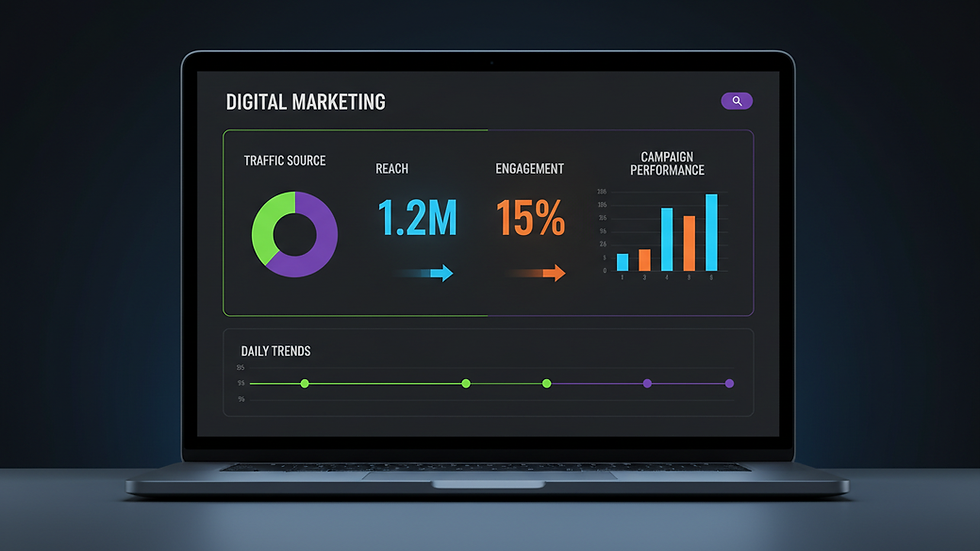
Key Metrics for Measuring Marketing ROI
To measure marketing ROI effectively, you need to track the right metrics. Here are some essential ones:
Cost Per Lead (CPL): How much you spend to acquire a lead.
Conversion Rate: The percentage of leads that turn into customers.
Customer Lifetime Value (CLV): The total revenue a customer generates over time.
Return on Ad Spend (ROAS): Revenue generated for every dollar spent on advertising.
Sales Growth: Increase in sales attributed to marketing efforts.
For instance, a B2B tech company might find that their email marketing has a low CPL and high conversion rate, making it a cost-effective channel. Meanwhile, social media ads might have a higher CPL but generate more brand awareness.
Tracking these metrics regularly helps you understand the full picture of your marketing performance.
How do you measure ROI in digital marketing?
Measuring ROI in digital marketing involves comparing the revenue generated from your campaigns to the costs involved. The basic formula is:
ROI = (Revenue - Cost) / Cost x 100
Here’s a step-by-step approach:
Set clear goals: Define what success looks like - leads, sales, or brand awareness.
Track all costs: Include ad spend, software, agency fees, and staff time.
Use analytics tools: Google Analytics, CRM systems, and marketing platforms help track conversions and revenue.
Assign value to conversions: For example, if a lead is worth $500 on average, multiply the number of leads by this value.
Calculate ROI: Use the formula to see if your campaigns are profitable.
For example, if you spend $2,000 on a campaign and generate $10,000 in sales, your ROI is:
(10,000 - 2,000) / 2,000 x 100 = 400%
This means you earned $4 for every $1 spent.

Tools and Techniques to Track ROI Accurately
Accurate tracking is crucial. Here are some tools and techniques that make measuring ROI easier:
Google Analytics: Tracks website traffic, conversions, and user behavior.
CRM Software: Connects marketing leads to sales outcomes.
UTM Parameters: Tag your URLs to track campaign sources.
Attribution Models: Understand which touchpoints contribute to conversions.
Marketing Automation Platforms: Automate tracking and reporting.
For example, a real estate firm can use CRM data to see which online ads led to property inquiries and closed deals. Combining this with Google Analytics data gives a full view of the customer journey.
Best Practices for Improving Your Marketing ROI
Measuring ROI is just the start. To improve it, consider these best practices:
Test and optimize: Run A/B tests on ads, landing pages, and emails.
Focus on quality leads: Target audiences more likely to convert.
Align marketing and sales teams: Share data and insights regularly.
Use data to inform decisions: Don’t guess - rely on numbers.
Invest in content marketing: Build trust and nurture leads over time.
For example, a home services company might find that video content on social media drives more qualified leads than banner ads. Shifting budget accordingly can boost ROI.
To learn more about digital marketing, see some of our other resources that break down topics in detail.
Moving Forward with Confidence
Measuring marketing ROI effectively is a game-changer. It turns guesswork into strategy and spending into investment. By tracking the right metrics, using the right tools, and continuously optimizing, you can ensure your digital marketing efforts deliver real, measurable growth.
Remember, every dollar you spend should bring you closer to your business goals. Keep your eyes on the numbers, stay flexible, and watch your marketing ROI grow.


